
The world of online ordering is accelerating, and customer patience is shortening. More than 92% rate a purchase based on an available delivery window, 88% require real-time tracking, and this is already the norm. The last mile consumes 41 to 53 percent of all logistics, which is why large regional warehouses are malfunctioning. Microfilling centers, compact hubs with an area of up to 10,000 ft2, close to the customer, with an on-demand approach and just-in-time inventory, come to the fore.
Microfilement As an Acceleration Core

Microfilling, or MFC, solves the last-mile problem by localizing inventory and completing it quickly. The actual delivery windows in densely populated areas reach up to two hours, in the suburbs the standard shifts to the format in the evening. Reducing deadlines from three days to less than 24 hours increases the repeat order rate by 18 percent, improves NPS by 25-40 percent, and maintains stable assembly and delivery SLAs. The local hub network reduces mileage, reduces last-mile costs by 20-30 percent, and maintains SKU speed and balance accuracy. When the warehouse is closer to the customer, replenishment can be done several times a day, and the dynamic distribution of the order between locations increases the likelihood of delivery today.
DTF Printing and On-Demand Production
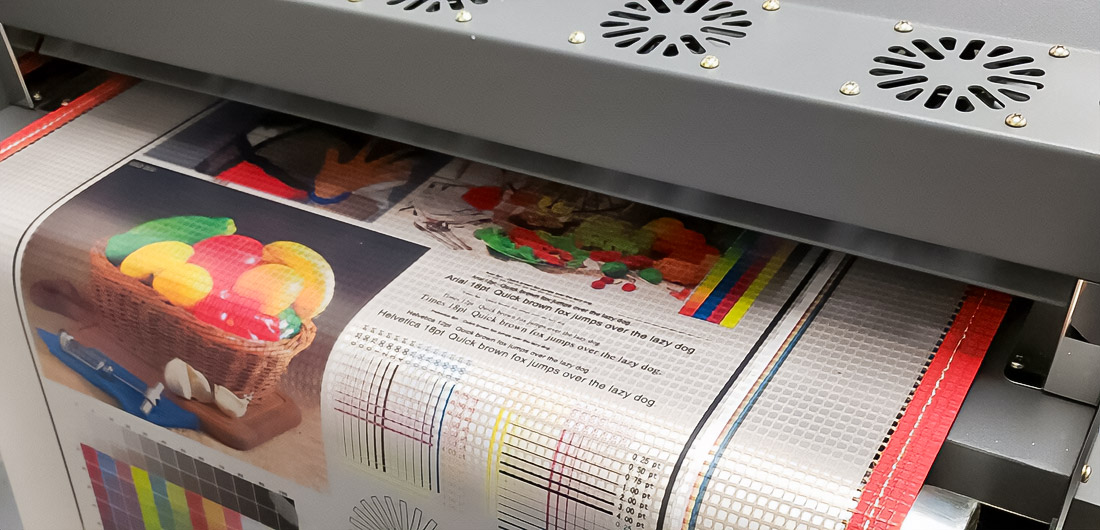
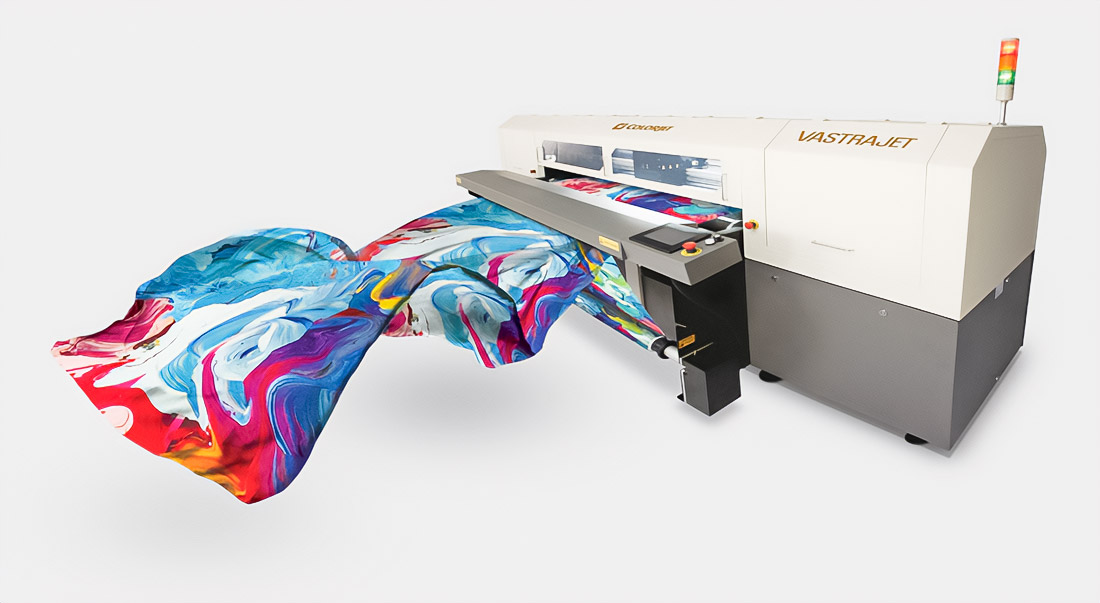
The combination of MFC and DTF printing enhances the effect. Direct-to-Film supports small print runs, customization, and a fast fashion cycle, which eliminates the need to keep excess inventory. Production and execution take place close to the consumer, waste and emissions are reduced, and the sustainability of the entire chain is improved. The technology stack includes WMS, AI demand forecasting, IoT, digital workflows, routing, and intelligent dispatching. Algorithms dynamically select a delivery provider, reduce mileage, manage cut-off time, and maintain color accuracy and repeatability in printing. Omnichannel scenarios such as BOPIS and curbside delivery complement the usual delivery by combining online and offline. The hybrid model, where intra-hospital MFCs are combined with micro-warehouses, supports demand peaks without excessive CapEx, carefully balancing OpEx.
Economics, Customer Expectations, and Scaling
Buyers form strict rules of the game. About two-thirds expect same-day delivery, and four out of ten want to receive an order within two hours. More than half refuse to purchase if it takes more than a week to complete, and over a quarter leave without the same-day option. There is a growing expectation of free shipping for orders up to $50, which is pushing businesses to optimize the last mile. Urbanization is reinforcing the trend, with the share of the urban population in North America reaching 83.6 percent in 2020, up from 63.9 percent in 1950, and demand is concentrated in dense clusters where local hubs are most effective. The microfulfilling market is growing, with forecasts of over $10 billion by 2026 and approximately $36 billion by 2030, reflecting the maturity of the model.
The technology works best with accurate inventory and transparent metrics, where ROI, pick-up rate, SLA, NPS, and last-mile cost are tracked daily. When the AI forecast generates orders for micro-batches, and route orchestration selects an artist on the fly, sub-hourly windows become achievable. In this configuration, DTF printing covers 1-of cases, and MFC scales the network without overheating storage areas. As a result, businesses get fast delivery, customers get a promise today, the environment benefits from reduced mileage, and omnichannel ceases to be a slogan and turns into a sustainable operating system.

Surfer, hustler, fender owner, International Swiss style practitioner and recent OCAD grad. Acting at the nexus of design and elegance to create great work for living breathing human beings. Let’s design a world that’s thoughtful, considered and aesthetically pleasing.